Hapkido
Art of Coordinated Power
Hapkido is a dynamic Korean martial art that focuses on circular motion, redirection of force, and practical self-defense. Blending joint locks, strikes, throws, and traditional weapon techniques, Hapkido offers a complete system for defending against both armed and unarmed attackers. Rooted in traditional values and modern application, Hapkido builds confidence, discipline, and real-world skills in a safe and supportive training environment.
Hapkido Overview
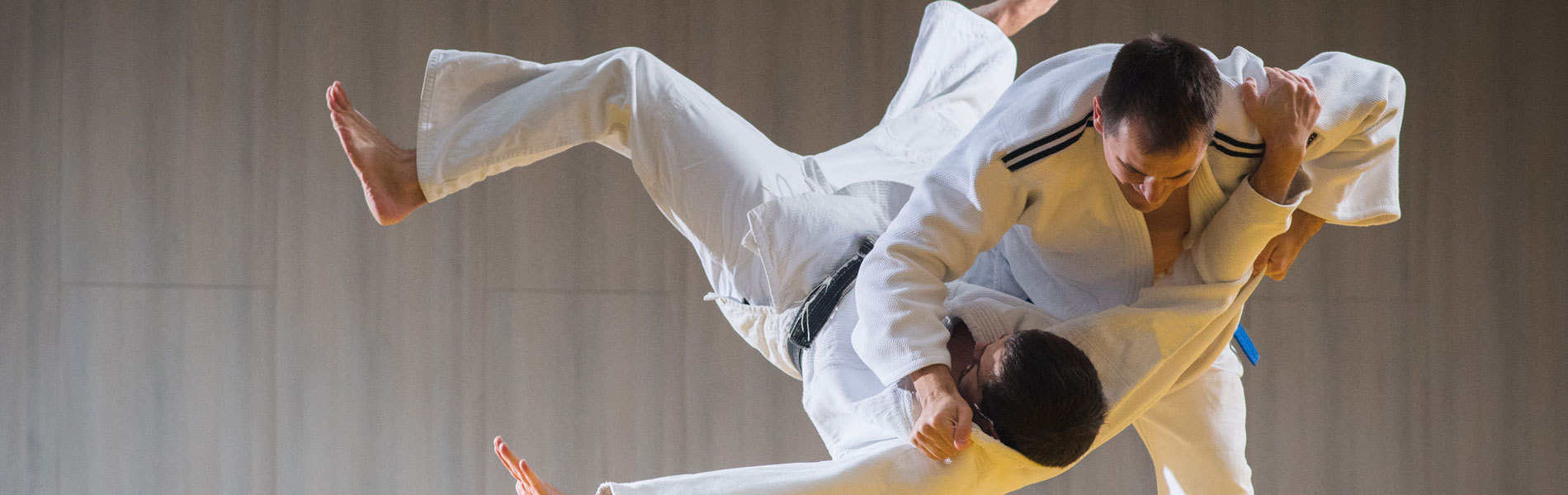
Hapkido emphasizes fluid movement, control, and adaptability, making it ideal for students of all ages and abilities. Whether you're looking to develop self-defense skills, improve fitness, or deepen your martial arts journey, Hapkido offers a versatile and empowering path.
- Teaches practical self-defense against grabs, strikes, and weapons
- Develops joint mobility, flexibility, and core strength
- Improves coordination, balance, and situational awareness
- Builds confidence and personal discipline
- Blends striking, grappling, and throwing techniques
- Promotes traditional values such as respect and perseverance
- Equips students with real-world personal safety tools
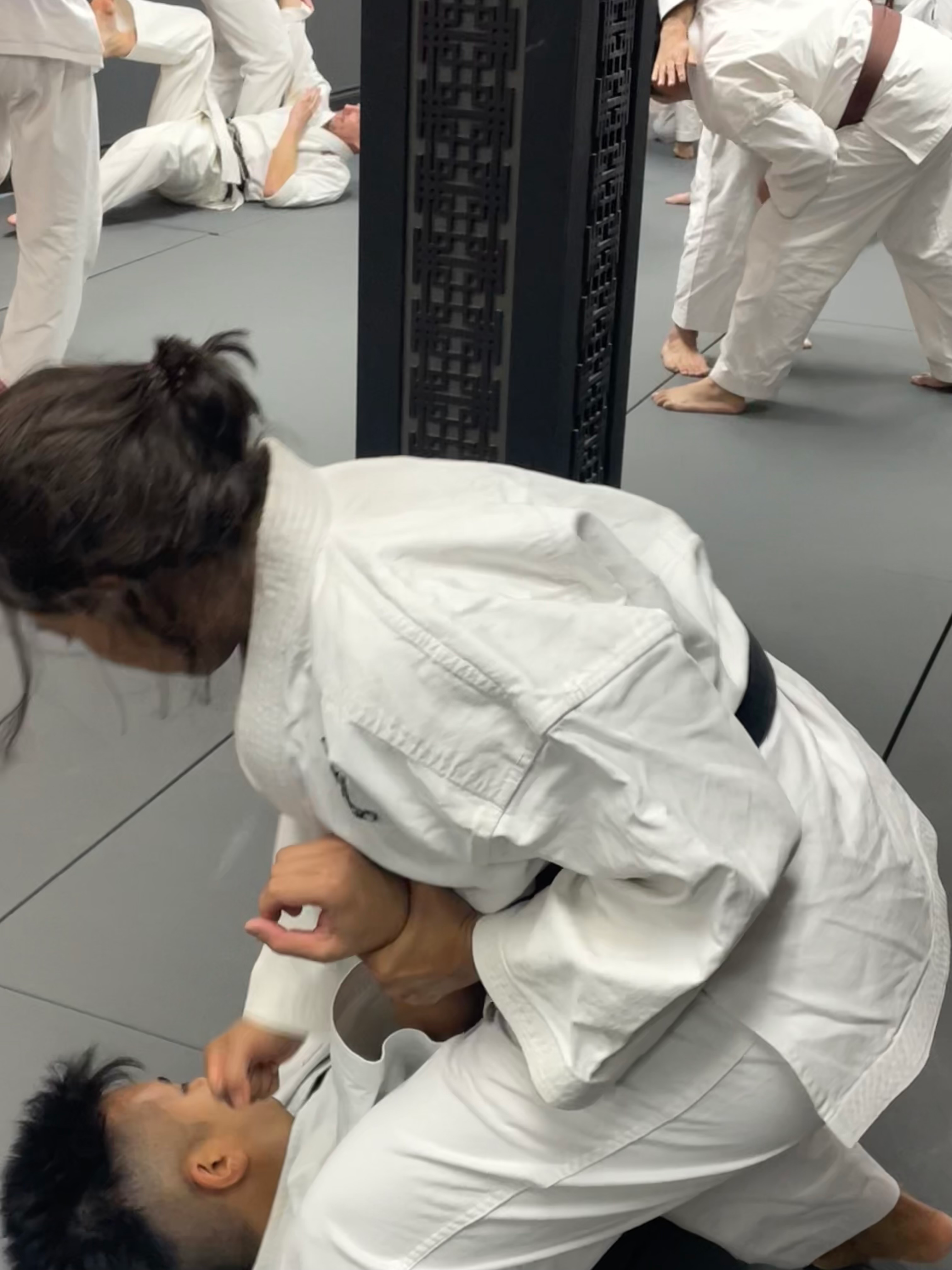
HAPKIDO FUNDAMENTALS CLASS
The Fundamentals class introduces students to the core principles of Hapkido, including proper stances, falling techniques, joint locks, and basic strikes. The class emphasizes body mechanics and control over brute strength, helping students of all sizes use technique effectively. Each session includes warm-ups, self-defense applications, and partner drills for timing and leverage in a safe environment.
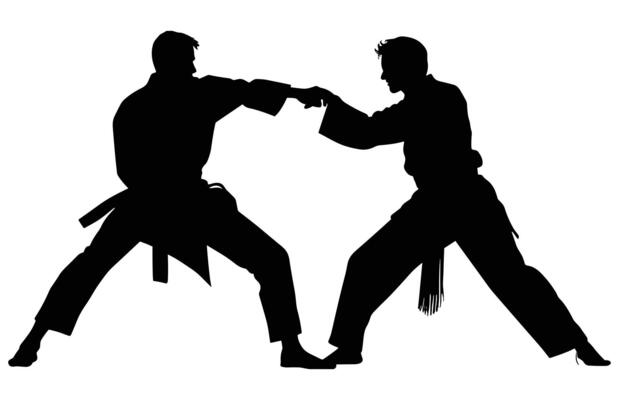
HAPKIDO INTERMEDIATE & ADVANCED CLASS
Building on foundational skills, the Intermediate class introduces more complex joint manipulations, dynamic takedowns, and combinations that integrate striking, locking, and throwing. Students begin training with traditional Hapkido weapons such as the cane, short stick, and rope. Drills become more dynamic and adaptable to real-world pressures, with greater focus on precision, flow, and strategic thinking.